The Challenge
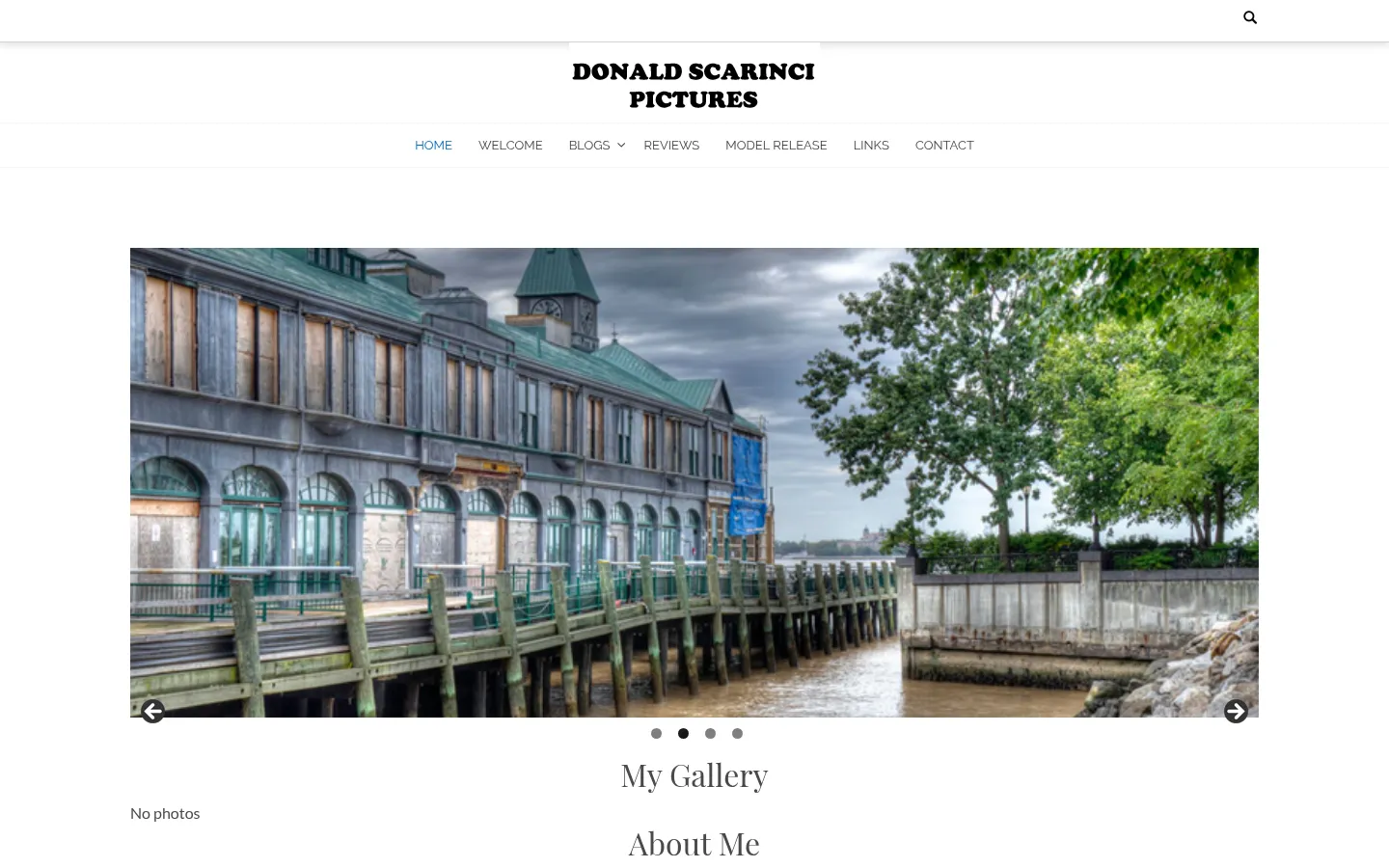
DonaldScarinciPictures.com is the photography portfolio and editorial platform for Donald Scarinci — an attorney, art collector, and photographer whose visual work spans architectural photography, travel documentary, and editorial portraiture. The website needed to serve both as a portfolio for his photography practice and as a content platform for his art commentary and collection documentation. The existing WordPress implementation had accumulated technical debt — performance issues, content hierarchy confusion, and image delivery inefficiencies — that were diminishing the impact of the photography it was built to present.
The core challenge of photography portfolio website design maintenance and optimisation is the compound performance problem that image-heavy WordPress sites accumulate over time. As a portfolio grows — new series added, new editorial content published, new gallery sections built — the unmanaged accumulation of unoptimised images, plugin overhead, and database bloat creates a performance trajectory that trends consistently downward. A portfolio that loaded acceptably at launch is often significantly slower eighteen months later.
The content hierarchy problem reflected the dual-purpose nature of the platform. Photography portfolio visitors need to browse work by subject, style, or series. Editorial content readers need clear category navigation for art commentary and collection documentation. Both audiences arrive with different navigation intents, and a content structure that served one well was creating friction for the other. Resolving this without a full platform rebuild required targeted restructuring of the WordPress taxonomy and page hierarchy.
The Strategy
- Image delivery optimisation — audited the complete media library and implemented systematic compression and WebP conversion for portfolio imagery, configured responsive image sizes appropriate for gallery display contexts, and implemented lazy loading for below-the-fold photography sections
- Homepage structure and content hierarchy improvement — redesigned the homepage architecture to provide clear, distinct entry points for portfolio browsing and editorial reading, with featured series and recent editorial content presented in a visual hierarchy that served both audiences
- WordPress technical performance — addressed plugin overhead, database query inefficiency, and caching configuration issues that had accumulated in the existing implementation, improving server response time and reducing resource loading
- Photography content organisation — restructured the portfolio taxonomy to allow browsing by photographic series, subject category, and geographic location — the navigation dimensions that photography audiences actually use
- SEO and technical foundation strengthening — implemented image ALT text standards for the photography catalogue, corrected canonical and indexation issues in blog and portfolio sections, and built a more scalable content structure for ongoing growth
- Scalable portfolio CMS — improved the content management workflow to make adding new photography series, publishing editorial articles, and maintaining collection documentation faster and less technically demanding
The Results
Why this matters
Photography portfolio websites that degrade in performance over time fail through the absence of a systematic approach to performance maintenance as the portfolio grows. A photographer who adds twenty new series over two years to a WordPress portfolio not architected for that growth will end up with a slow, difficult-to-navigate website regardless of the photography's quality. WordPress photography website performance management is an ongoing architectural discipline, not a one-time event.
Photography portfolio website design optimisation ensures that the technical experience of viewing the photography never becomes a barrier to engaging with it. A gallery that loads slowly invites the visitor to close the tab before the image that would have impressed them has finished rendering. Every performance improvement is a reduction in the probability of that failure — and a corresponding increase in the probability that the photography is seen and remembered.
The content hierarchy restructuring was the change that most improved the platform's utility for its two distinct audiences. Photography portfolio visitors and editorial content readers have fundamentally different browsing behaviours and navigation intents. A navigation structure treating both as the same audience serves neither effectively. Providing distinct, clear entry points for portfolio browsing and editorial reading required careful information architecture work rather than visual redesign.
If you have an existing photography portfolio website design that has accumulated performance debt, content hierarchy confusion, or technical SEO issues over time, Donald Scarinci Pictures demonstrates the targeted optimisation approach that restores fast performance and clear navigation without requiring a full platform rebuild.