The Challenge
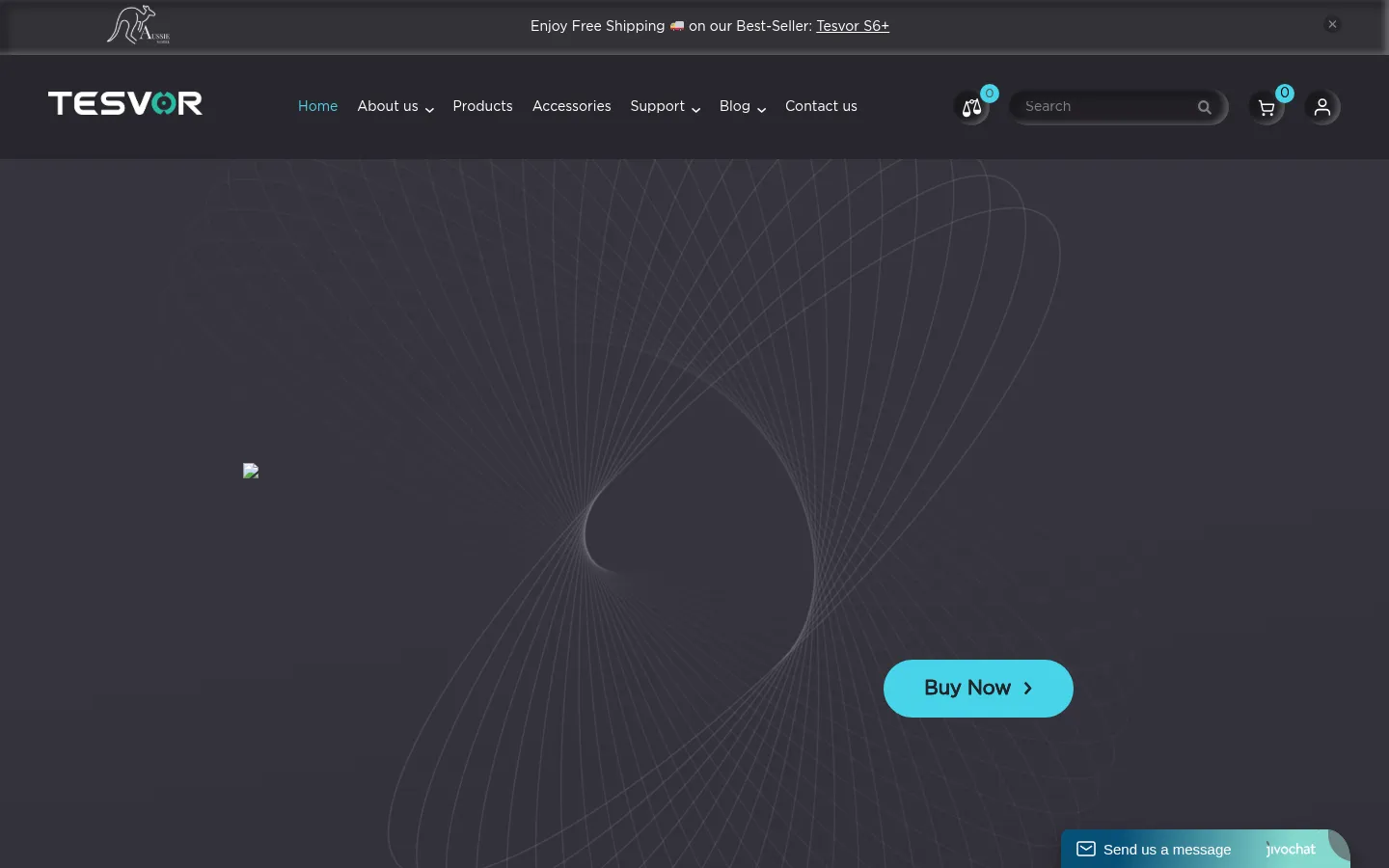
Tesvor Australia is the Australian arm of a global smart home and robot vacuum brand, bringing automated cleaning technology to a market with high digital retail expectations and sophisticated consumer electronics buyers. Smart home product purchasers in Australia are research-intensive: they compare specifications, read reviews, watch demonstration videos, and evaluate technical capabilities before making a purchase decision that typically involves several hundred dollars.
The core challenge of smart home product website design is the research-to-conversion gap. A buyer who arrives at a robot vacuum website with genuine purchase intent will only convert if the product pages answer every technical question they have — floor type compatibility, battery life, smart home integration, app connectivity, filtration specifications — before they feel the need to go elsewhere to find the information. A product page that fails to answer those questions doesn't just miss the conversion: it sends the buyer to a competitor's site that does.
Cross-browser compatibility was a non-negotiable technical requirement for the Australian market. Australia's browser distribution spans a wider range of devices and browser versions than many Western markets, and a smart home brand experiencing rendering failures or layout breaks on a significant browser variant loses the credibility signal that premium technology products depend on. The implementation needed to be tested and verified across the full matrix of Australian consumer browsers.
The Strategy
- Mobile-first ecommerce design system — designed every product page, category browse, and checkout interaction for smartphone-first use, with particular attention to the product detail page where the majority of Australian smart home purchase decisions are made
- Product showcase UX for technical buyers — developed a product page template that presents technical specifications, feature comparisons, use-case guides, and demonstration video content in a hierarchy that matches the research sequence of a confident smart home buyer rather than a generic ecommerce template
- Cross-browser compatibility testing and implementation — built and tested the platform across Chrome, Safari, Firefox, Edge, and Samsung Internet on both desktop and mobile, addressing compatibility issues at the CSS and JavaScript level before launch rather than post-launch
- WooCommerce product architecture — structured the Tesvor product catalogue with variant handling for different robot vacuum models, accessory and replacement part relationships, and bundle configurations, with inventory and pricing managed through a CMS the local team could operate independently
- Comparison and specification tool — designed an interactive model comparison feature allowing buyers to evaluate Tesvor's range side-by-side on the specifications that matter to smart home purchasers: suction power, run time, smart home compatibility, and navigation technology
- Australian market SEO architecture — implemented structured data for smart home products, built a keyword architecture targeting robot vacuum and home automation searches in the Australian market, and optimised the site architecture for Google AU search visibility
The Results
Why this matters
Smart home product brands competing in established categories like robot vacuums face a specific digital challenge: the category leaders (iRobot, Dyson, Ecovacs) have invested heavily in product content quality. A challenger brand's website that presents less information, less persuasively, on a less consistent cross-device experience will be evaluated and dismissed during the research phase before the purchase decision is ever made. Home appliance ecommerce website design for challenger brands must match or exceed the content quality standard of category leaders.
Smart home ecommerce design is won at the product page level. A buyer researching a robot vacuum in the Australian market has typically already decided they want one — the question the product page must answer is why they should buy this one rather than the alternative they have open in another tab. The platform that answers that question most completely and most clearly wins the purchase.
The comparison tool was the most commercially important UX investment on the project. Smart home buyers systematically compare models — it is a category behaviour, not an edge case. A brand that makes model comparison easy, within their own platform rather than on a third-party review site, keeps the buyer in a product environment where every comparison ends with a Tesvor purchase option. A brand that forces buyers to use external comparison sites loses narrative control at the critical evaluation moment.
If you are building a home appliance ecommerce website design, a smart home product store, or any technology ecommerce platform for the Australian or Asia-Pacific market, Tesvor Australia demonstrates the product showcase UX and cross-browser rigour that winning in the category requires.